Switzerland okulları hakkında bilmeniz gerekenler
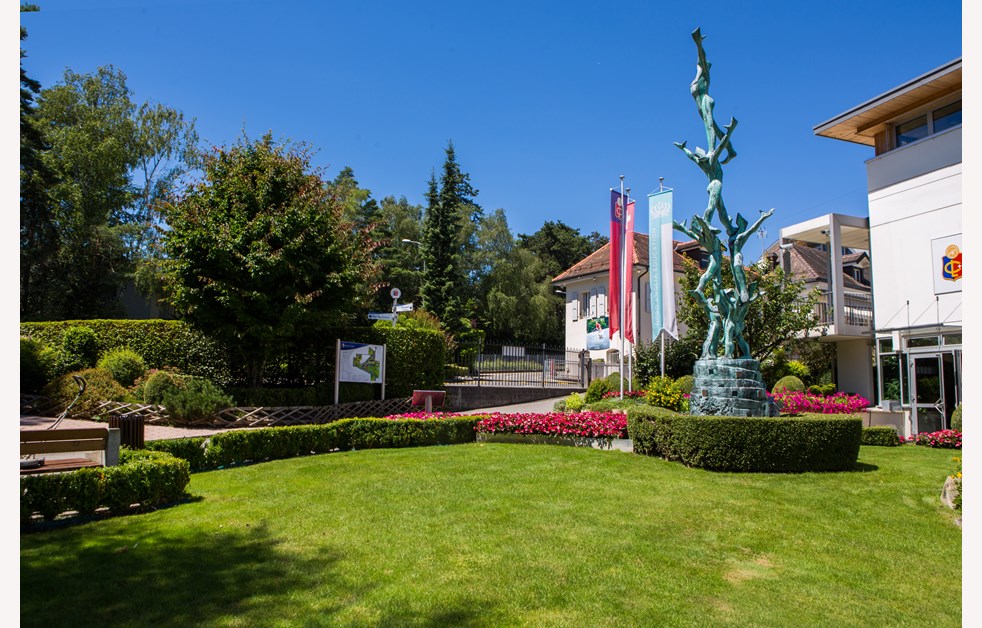
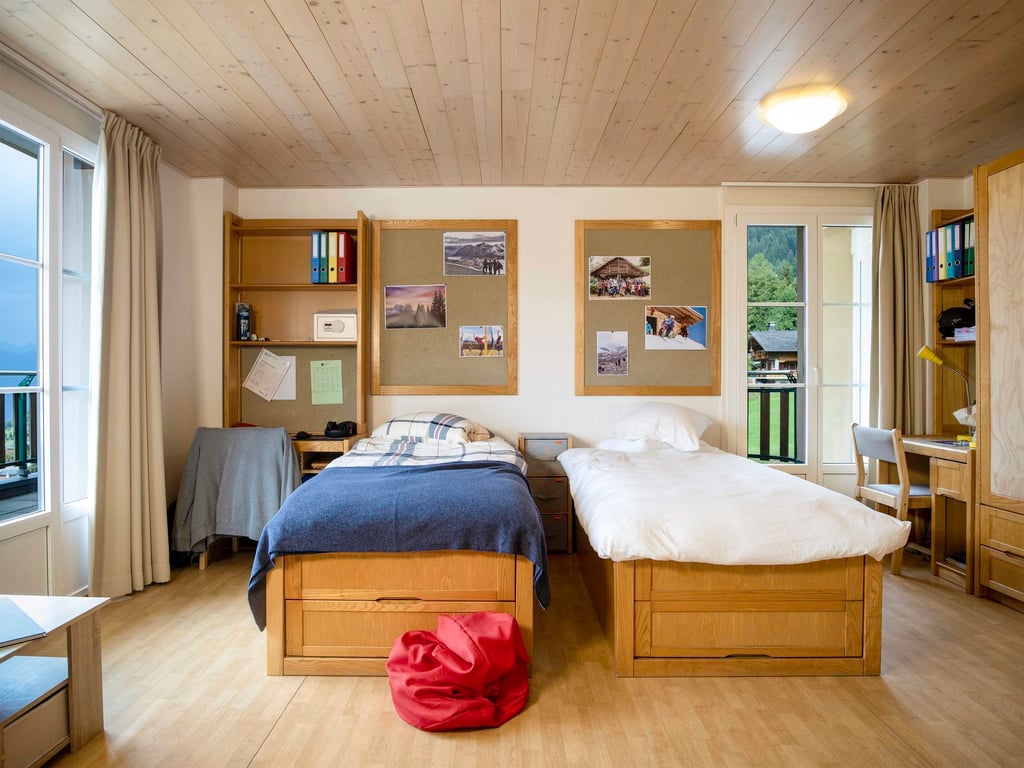
İsviçre'nin yatılı sektörü, sıkı tutulan bir okul kümesidir — çoğu 600 öğrencinin altında, çoğu Fransızca konuşulan güneyde veya Bernese Oberland'de — ve bir yüzyıldır uluslararası mobil ailelerin çocuklarını eğitmektedir. Ortak özellikler: küçük yatakhaneler, düşük öğrenci-personel oranı (yatılı evlerde genellikle 1:5 ile 1:8), iki veya üç dilli öğretim ve ulusal sınavlar yerine IB Diploma seviyesinde belirlenen akademik tavan. Arama kriterleriniz arasında "yatılı", "uluslararası müfredat" ve "düşük risk ortamı" varsa, İsviçre çoğu yapay zekâ eşleştirmesinde kısa listenizde yer alacaktır.
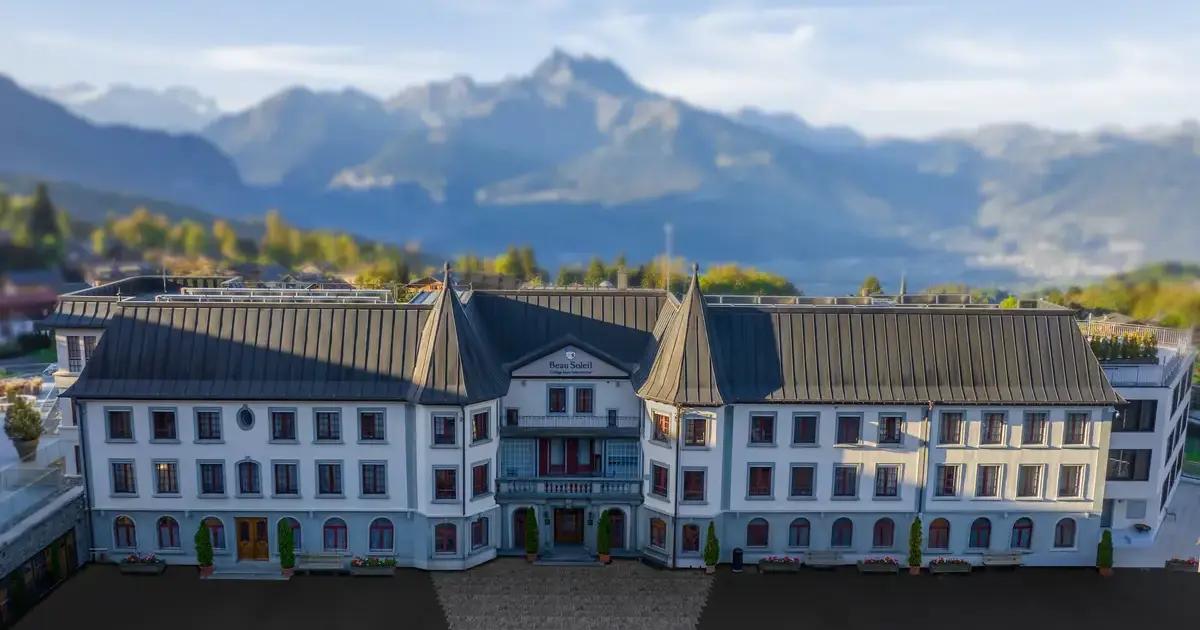
Premium fiyatlandırma gerçektir. Yılda CHF 100.000–150.000 (~110-165 bin USD), en bilinen isimlerin operasyon aralığıdır — Le Rosey, Aiglon, Beau Soleil, College du Leman, TASIS Switzerland, Brillantmont. Eğitim ücreti tipik olarak yatılı, hafta sonu programları, kayak/spor rotasyonları, günübirlik geziler ve tüm akademik materyalleri kapsar. Vize desteği, eğitmen eşleştirmeleri ve üniversite rehberliği genellikle pakete dahildir. Ailelerin küçümsediği ve dahil OLMAYAN: eve dönüş seyahati, teknoloji ücretleri, isteğe bağlı yaz programları ve Cenevre, Lozan veya Zürih'e haftalık çıkışların yumuşak maliyetleri.
Müfredat altıncı sınıfta IB Diploma'nın hâkimiyetindedir; Year 10'dan itibaren İngiliz IGCSE besleyici görevi görür. Bir avuç okul, İsviçre üniversitelerini (ETH, EPFL, Cenevre Üniversitesi) hedefleyen öğrenciler için paralel olarak İsviçre Maturité'sini sunar. Amerikan AP yolu İsviçre'de İngiltere veya Singapur'a göre daha nadirdir — AP/NCAA yolu sizin için önemliyse, özellikle TASIS veya American School in Switzerland'a (TASIS) bakın ya da İngiltere/Singapur okullarını kısa listeye alın.
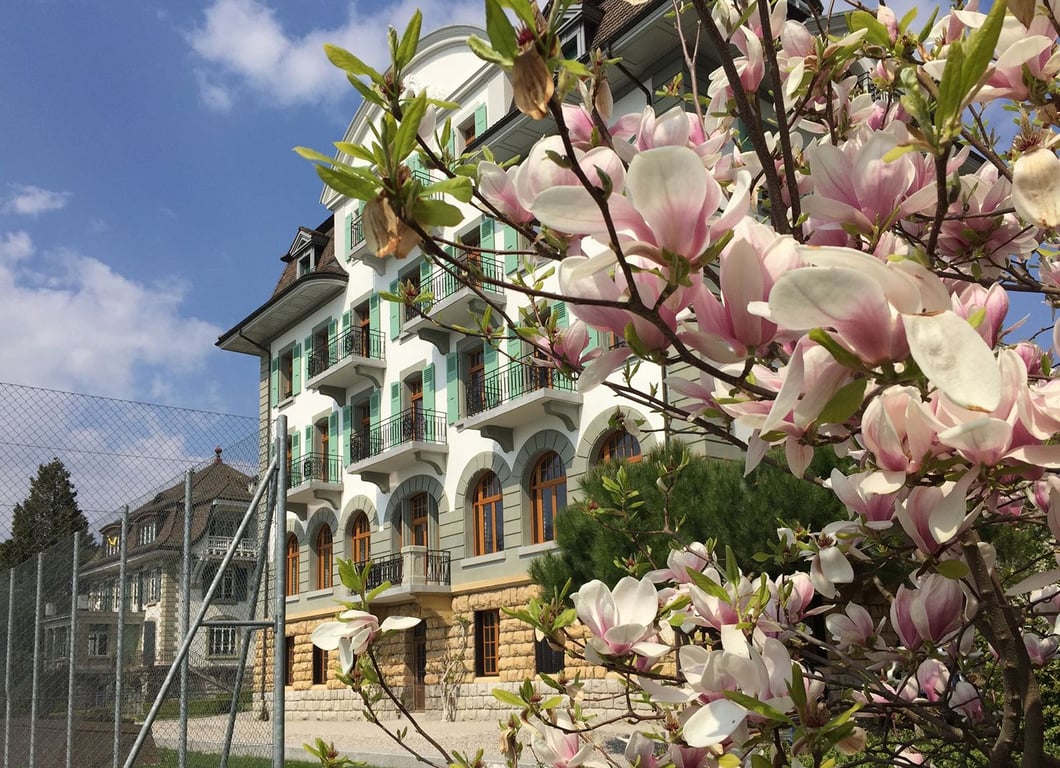
Coğrafi karar: yatılı okulların çoğu üç bölgede yer alır. Fransızca konuşulan göl kıyısı (Lozan, Vevey, Montreux, Rolle) Cenevre havaalanına yakınlık ve Frankofon bir batma ortamı sağlar. Bernese Oberland (Gstaad, Villars, Zweisimmen) sizi günlük kayak ve daha kapalı, dağ okulu hissi olan Alpler'e yerleştirir. Almanca konuşulan merkez (Zürih, Zug) tam yatılı için daha nadir ve daha çok gündüzlü okul pazarı — uluslararası tam yatılı öğrenciler için değil, iş için İsviçre'ye taşınan aileler için daha uygundur.
Kabuller seçicidir ama Ivy seviyesinde değildir. Çoğu İsviçre yatılı okulu İngilizce mülakat + güncel transkriptler + bir yazı örneği alır. Daha zor filtre zamanlamadır: yatılı kapasitesi küçüktür ve birincil giriş yılları (Year 9 / Year 10) çoğu zaman 12-18 ay önceden dolar. Çocuğunuz Year 9 veya Year 10 geçişine yaklaşıyor ve henüz başlamadıysa, danışman görüşmesi gerçekten faydalı olur — okul web sitelerinde görünmeyen yer-müsaitliği bilgisini takip ederiz.
Ailelerin sıkça gözden kaçırdığı risk faktörleri: (1) Yıl ortası girişi İngiltere veya ABD muadillerinden daha zordur — çoğu okul yıl ortası yerleştirmelere direnç gösterir. (2) IB tavanı, IGCSE hazırlığı yapmamış öğrenciler için yüksek ve affetmez — ulusal müfredattan geç geçenler bazen zorlanır. (3) Hava. Dağ kampüsleri Ekim'de muhteşem, Şubat'ta acımasızdır — çocuğunuz 1.200m üzerinde bir kış yaşamadıysa bunu hesaba katın. (4) Eve uzaklık. Çoğu İsviçre yatılı evi haftalık rotasyonludur (çocuklar hafta sonları kalır), bu yüzden uçuş maliyeti ve sıklığı yıllık bütçenizde önemlidir.
"Bir aileyi İsviçre yatılısına yerleştirmeden önce, öğrenciyi okullardan birinde bir kayak test hafta sonuna gönderiyoruz. Uyum bir mülakat sorusu değil — bir Pazar öğleden sonrası sorusudur."
— Dilek Yılmaz · Kurucu Ortak & Direktör